Is My Scaffolding Safe? 17 Warning Signs You Should Never Ignore
Learn how to spot potential scaffold safety problems from ground level, when an inspection may be needed and how ScaffOps can help scaffolding contractors manage inspections, changes, competence and compliance.
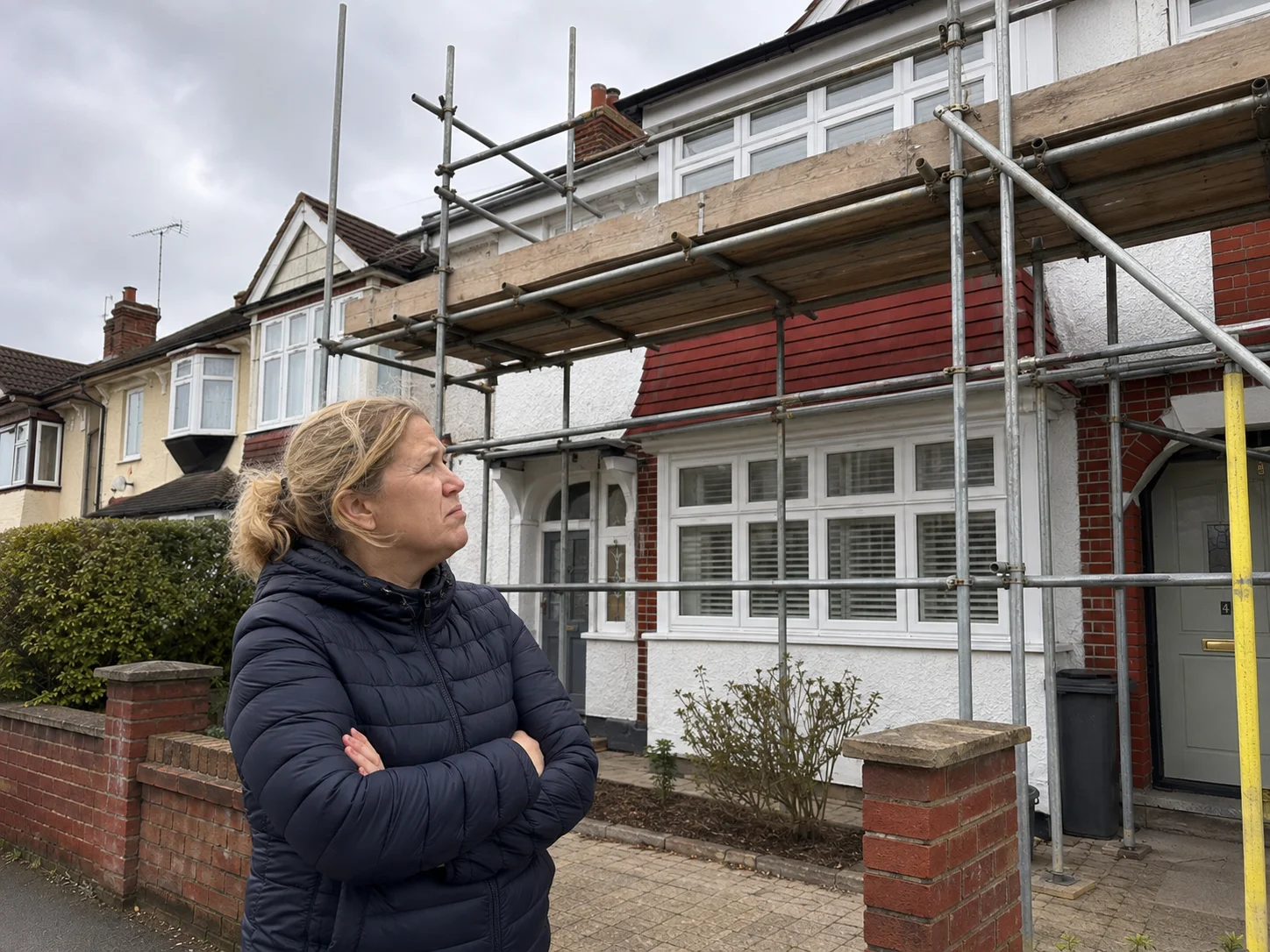
Important: Never climb onto scaffolding simply to check whether it is safe. If something looks wrong, keep clear, take photographs from a safe location and contact the scaffolding contractor or person responsible for the site.
Scaffolding can look alarming even when it has been correctly designed and erected. Tubes may project in unexpected directions, ties can disappear into brickwork and working platforms can sit several storeys above the ground.
But there is an important difference between scaffolding that simply looks complicated and scaffolding showing genuine warning signs.
For property owners, contractors and project managers, the key is knowing what deserves further investigation — without attempting to inspect or alter the scaffold yourself.
Quick Answer: How Do I Know If Scaffolding Is Safe?
A properly managed scaffold should generally have:
- A firm and suitable foundation
- Appropriate ties, bracing or other means of stability
- Properly supported working platforms
- Guard rails and intermediate protection where required
- Toe boards and appropriate falling-object protection
- Safe access arrangements
- A suitable duty rating for the work
- Appropriate design or recognised-standard compliance
- Regular inspections
- Additional checks following alterations or adverse conditions
- Controls against unauthorised access
The important point: Scaffold safety cannot be confirmed from appearance alone. Load capacity, tie arrangements, anchors and engineering considerations may not be visible from ground level.
17 Warning Signs Your Scaffolding May Need Checking
The Scaffold Is Leaning, Moving or Visibly Out of Line
A scaffold does not necessarily have to appear perfectly vertical from every viewing angle, particularly around unusual building shapes.
However, a noticeable lean, movement or change in position should never simply be ignored.
Warning signs can include:
- Standards visibly leaning
- A section appearing further away from the building than previously
- Movement during strong winds
- Base areas sinking into the ground
- Sections appearing twisted or distorted
How ScaffOps can help
ScaffOps can retain job photographs, elevations, erection information and inspection evidence against the project, creating a visual history that makes changes easier to identify.
Standards Are Sitting on Soft, Damaged or Unstable Ground
The vertical scaffold tubes ultimately transfer load towards the ground or supporting structure. The condition of that surface therefore matters enormously.
Potential warning signs include:
- Ground sinking around scaffold legs
- Soft or waterlogged soil
- Standards positioned close to excavations
- Cracked supporting surfaces
- Unexpected movement around bases
- Supporting materials that appear to have shifted
How ScaffOps can help
Digital site surveys can record ground conditions, drains, slopes, basements, access points and photographs before erection begins.
Scaffold Ties Appear to Have Been Removed
Ties can be among the most important structural components of a scaffold, connecting it to the supporting structure and helping control movement.
Be particularly cautious if:
- Builders have removed tubes or ties for access
- Windows or façades are being altered around tie positions
- A previously visible tie has disappeared
- Someone other than the scaffolding contractor has altered the structure
Never remove a scaffold tie yourself.
How ScaffOps can help
A controlled variation workflow allows scaffold alterations to be requested, recorded, assigned and approved rather than components simply being removed informally.
Guard Rails Are Missing
Guard rails are one of the most visible forms of collective fall protection on a scaffold.
Potential warning signs include:
- Completely open platform edges
- Missing intermediate rails
- Open scaffold ends
- Rails removed to move materials but not replaced
- Large unprotected openings
There may be legitimate periods during erection, alteration or dismantling when a scaffold is incomplete, but those areas should not simply be treated as available for normal use.
Toe Boards or Falling-Object Protection Are Missing
Falls are not the only scaffold danger. Objects falling from working platforms can present a serious risk to workers, residents, pedestrians and vehicles below.
Pay particular attention where scaffolding:
- Runs above a pavement
- Passes over entrances
- Surrounds an occupied property
- Is being used for brickwork or masonry
- Has pedestrians regularly passing below
How ScaffOps can help
Inspection forms can require evidence for guard rails, toe boards, brick guards, ladder access and public protection rather than relying on a single overall pass result.
Scaffold Boards Are Loose, Damaged or Excessively Overhanging
From ground level you may notice:
- Missing boards
- Large holes in working platforms
- Broken or split boards
- Boards that have visibly moved
- Excessive unsupported overhang
- Materials obstructing working areas
Working platforms should be suitable for the intended task and properly supported.
Access to the Scaffold Looks Unsafe
Warning signs can include:
- Unsecured ladders
- Workers climbing scaffold tubes
- Damaged ladders
- Large gaps between ladders and platforms
- Missing ladder gates or access protection
Workers should have a suitable and safe means of accessing scaffold working levels.
The Scaffold Has Open or Incomplete Sections but People Are Still Using It
A scaffold can legitimately be incomplete while it is being erected, altered or dismantled. The concern is when people outside that activity continue using unfinished areas.
- Unfinished lifts being used
- Missing edge protection around active workers
- No visible restriction around dangerous sections
- Other trades accessing areas under alteration
How ScaffOps can help
A project can be digitally identified as erecting, handed over, under alteration, restricted or ready for use, creating clearer visibility for contractors and clients.
Sheeting, Advertising Banners or Netting Have Been Added Later
Sheeting and debris netting can significantly change the forces acting on a scaffold, particularly during windy conditions.
A scaffold should not simply have large sheets, banners or other wind-catching surfaces added without appropriate consideration of the original arrangement.
How ScaffOps can help
Requirements such as sheeting, debris netting, loading bays and rubbish chutes can be captured during the quotation and planning process instead of becoming undocumented additions later.
Platforms Appear Overloaded
Scaffolds are designed around expected loads including workers, materials and equipment.
Be cautious if platforms contain unusually large quantities of:
- Bricks
- Blocks
- Stone
- Roof tiles
- Building materials
- Heavy equipment
How ScaffOps can help
Project specifications can record intended scaffold use, loading arrangements, boarded lifts and special requirements so that the original specification remains visible throughout the job.
Builders or Other Trades Have Altered the Scaffold Themselves
This can happen surprisingly easily on busy construction sites.
A bricklayer needs additional room. A roofer removes a rail. A window installer needs a tie moved. A contractor removes a tube obstructing a doorway.
What appears to be a small change may affect much more than the person making the alteration realises.
How ScaffOps can help
Digital variation requests allow contractors to submit the location, reason, photographs and required change so the scaffolding company can assess, price, schedule and record the alteration properly.
There Has Been Severe Weather and Nobody Has Rechecked the Scaffold
Wind and storms can affect scaffold components, sheeting, foundations and stability.
The normal inspection interval should not be interpreted to mean that a scaffold never requires checking between scheduled inspections when something significant has happened.
How ScaffOps can help
Weather and high-wind alerts can help identify active projects that may need additional attention following adverse conditions.
Nobody Can Produce a Recent Scaffold Inspection Record
A scaffold tag can be useful, but the underlying inspection record is far more important.
For construction scaffolding, inspections should generally take place:
- Following installation and before first use
- At intervals not exceeding seven days
- Following substantial alteration
- Following circumstances capable of affecting safety
How ScaffOps can help
ScaffOps can manage scheduled inspection dates, inspectors, mobile inspection forms, timestamps, photographs, defect recording, corrective actions and overdue inspection alerts.
The Scaffold Does Not Appear Suitable for the Job Being Carried Out
A scaffold suitable for one type of work is not automatically suitable for every other activity later carried out from it.
The specification should consider:
- Intended use
- Height and length
- Number of boarded lifts
- Working loads
- Number of workers
- Access requirements
- Sheeting and netting
- Loading bays
- Hoists
- Ground conditions
The Scaffold Is Easily Accessible to Children or the Public
Scaffolding around domestic properties can look like an irresistible climbing frame to children.
Controls may include:
- Suitable fencing
- Restrictions around access points
- Ladder guards
- Secure access arrangements
- Removal or restriction of lower access routes where appropriate
If a child can simply walk outside and climb straight onto a scaffold, raise the issue with the person responsible for the site.
The Scaffold Creates an Unmanaged Risk to Pedestrians or Traffic
Potential warning signs include:
- Pedestrians being forced into the road
- No segregation during erection or dismantling
- Loose materials above pedestrian routes
- Projecting scaffold tubes at head height
- Insufficient falling-object protection
- Vehicles interacting dangerously with scaffold standards
How ScaffOps can help
Licence and permit requirements can be linked directly to the scaffold project, helping teams keep track of highway permissions, documentation and relevant dates.
Nobody Seems to Know Who Designed, Erected or Is Responsible for the Scaffold
This final warning sign is not physical. It is poor information management.
Reasonable questions include:
- Which scaffolding contractor erected it?
- When was it handed over?
- When was it last inspected?
- Who is responsible for inspections?
- What specification was it erected to?
- Does it require a bespoke design?
- Who should be contacted for alterations?
If nobody involved in the project can answer basic questions about an actively used scaffold, the management process deserves attention.
How ScaffOps can help
ScaffOps creates one connected scaffold project record containing enquiries, surveys, designs, RAMS, erection records, workforce information, handovers, inspections, variations and dismantle information.
What Should You Do If You Think Your Scaffolding Is Unsafe?
- Stay off the scaffold.
- Keep children and unnecessary personnel away.
- Take photographs from a safe location.
- Contact the scaffolding contractor or person controlling the work.
- Explain what you have noticed or what has changed.
- Ask whether another scaffold inspection is required.
- If there appears to be immediate danger, keep people clear and escalate the issue.
How Often Should Scaffolding Be Inspected?
For scaffolding used for construction work in the UK, inspections should generally take place:
- Following installation and before first use
- At intervals of no more than seven days
- Following substantial alteration
- Following events capable of affecting scaffold safety, such as high winds
The seven-day period should therefore be viewed as a maximum routine interval rather than proof that no additional inspection could be required.
Does Every Scaffold Need a Bespoke Design?
No.
Many conventional scaffolds can be erected using recognised standard configurations. Structures falling outside recognised arrangements may require a specific design by a suitably competent person.
Examples can include:
- Temporary roofs
- Truss-out scaffolds
- Shoring scaffolds
- Façade retention scaffolds
- Suspended scaffolds
- Free-standing structures
- Complex loading bays
- Protection fans
- Pavement gantries
- Rubbish chutes
- Advertising and banner structures
From Paper Scaffold Tags to Digital Scaffold Management
Scaffolding companies have traditionally managed projects using combinations of paperwork, spreadsheets, WhatsApp, telephone calls, emails, photographs and scaffold tags.
The real problem is not necessarily any individual method. It is what happens when important information becomes fragmented.
A design may sit in one inbox. The inspection is somewhere else. Photographs are on an operative's phone. A variation has been requested through WhatsApp. The client then rings asking whether the scaffold was inspected after yesterday's storm.
Someone has to reconstruct what happened.
ScaffOps creates one scaffold lifecycle
Inspection Scheduling
See which scaffold inspections are due, upcoming, completed or overdue.
Mobile Inspections
Complete structured scaffold inspections directly from site.
Photographic Evidence
Attach dated photographs to projects and individual inspections.
Defect Tracking
Turn identified defects into actions and record when corrective work has been completed.
Weather Alerts
Identify active projects that may require additional attention following high winds or severe conditions.
Variation Control
Record scaffold alteration requests instead of relying on informal site changes.
Workforce Competence
Store training, qualifications and competence information against workforce profiles.
Digital Handover
Keep handover information, photographs and design references within the same project record.
QR Scaffold Records
Connect the physical scaffold on site with the relevant digital project information.
Full Audit Trail
Know what was planned, who completed the work, what changed and when it happened.
Good Scaffold Safety Is About More Than the Scaffold
One of the most important lessons is that scaffold safety is not simply about whether tubes and fittings were correctly assembled on erection day.
A scaffold can subsequently become unsuitable because:
- Someone alters it
- A tie is removed
- Loading changes
- Sheeting is added
- Weather affects it
- Ground conditions change
- The intended work changes
- An inspection is missed
Modern scaffold management therefore needs to consider the entire life of the scaffold.
Frequently Asked Questions
How can I tell if scaffolding is unsafe?
Potential warning signs include leaning or movement, unstable foundations, missing ties, incomplete guard rails, damaged platforms, unsafe access, uncontrolled alterations, excessive loading and missing inspection records. Appearance alone cannot confirm whether a scaffold is safe.
How often does scaffolding need inspecting?
Construction scaffolding should generally be inspected before first use, at intervals not exceeding seven days and following circumstances that could affect its safety.
Can a builder alter scaffolding?
Scaffold alterations should be undertaken by appropriately competent personnel. Other trades should not simply remove scaffold ties, rails or structural components.
Can I climb onto the scaffold to check it myself?
No. If you are concerned about scaffold safety, stay off the scaffold and contact the contractor or person responsible for the work.
Can high winds affect scaffolding?
Yes. High winds can affect stability, particularly where sheeting, netting, temporary roofs or other wind-catching materials are present.
Are scaffold tags legally required?
A physical scaffold tag is not itself the same thing as the formal inspection requirement. Tags are commonly used as a visible way of communicating scaffold status.
Concerned About a Scaffold?
If you need a scaffold inspected, altered or replaced, Scaffolder Near Me helps you connect with scaffolding contractors operating in your area.
For scaffolding companies, ScaffOps brings quotations, surveys, RAMS, inspections, workforce management, variations, scheduling and dismantle management together in one platform.